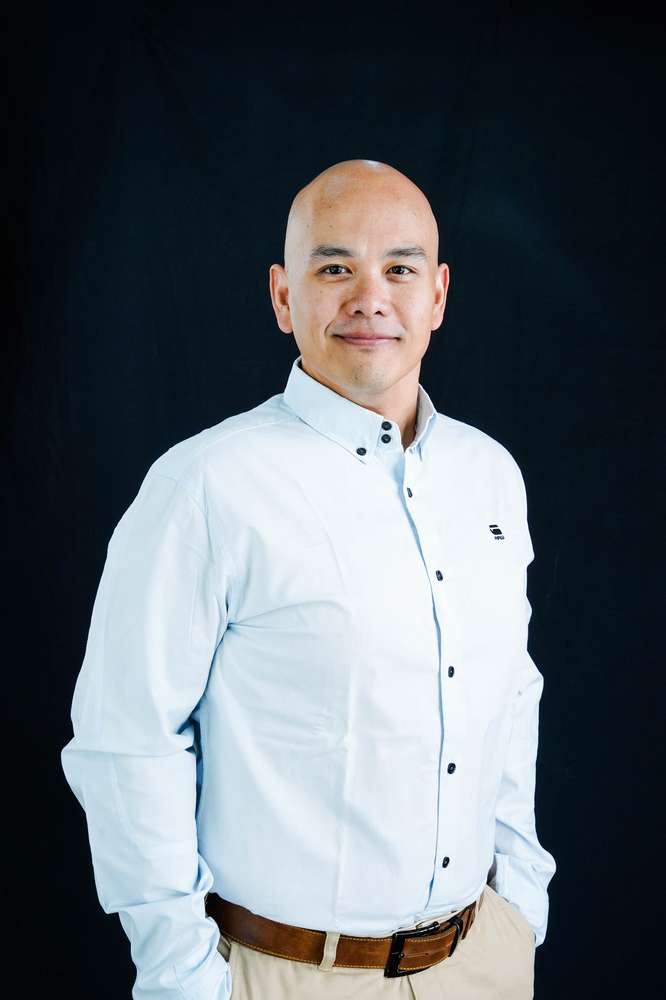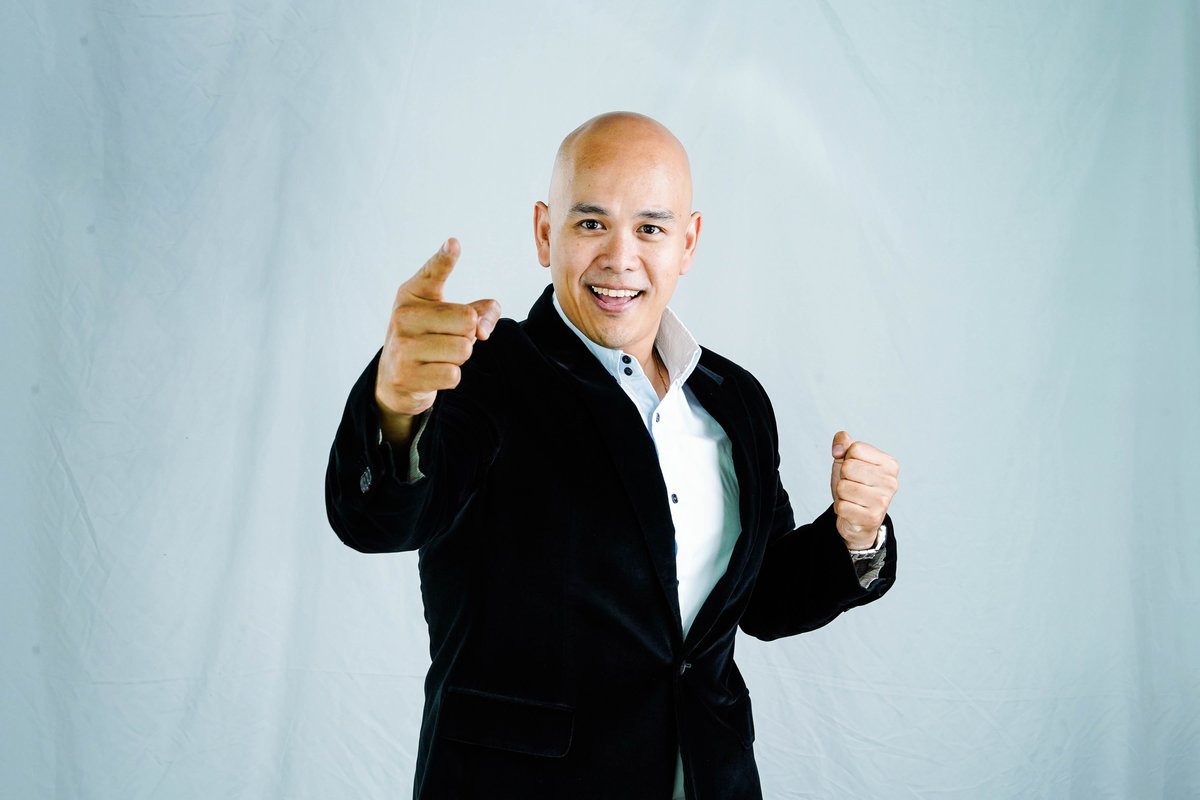
Standing on a stage in Kuala Lumpur representing Indonesia at ASEAN Business Network Minds 2025 felt different from any of the 700+ domestic events I'd spoken at before. Not because the audience was smarter or the stakes were higher — but because for the first time, I wasn't just speaking as Klemens Rahardja. I was speaking as a representative of what Indonesian entrepreneurship looks like to the rest of the region.
That shift in framing changed what I paid attention to. And what I noticed, across that stage, the China-Indonesia E-Commerce Expo, and sessions I've facilitated for DigiLabs Singapore, taught me something I hadn't fully understood from inside Indonesia alone.
Indonesia Is Underestimated, Not Underprepared
The most common assumption I encountered from other ASEAN delegations was that Indonesian entrepreneurship is still catching up — earlier stage, less structured, less sophisticated than Singapore's or Malaysia's ecosystems. That assumption doesn't survive contact with the actual founders I represent.
What Indonesia has isn't a maturity gap. It's a visibility gap. The scale of what's being built inside communities like TES — 12,000+ members, hundreds of ventures, real revenue, real systems — simply hasn't been translated into the kind of regional narrative that other ASEAN markets have built for themselves. The work is there. The story hasn't traveled as far as the work has.
Scale Changes the Conversation, Not the Fundamentals
At the domestic events I've spoken at — including representing the national Kemenkominfo Digital Literacy movement — the conversation is usually about access: reaching entrepreneurs who haven't been reached yet, across a vast and fragmented archipelago. At ASEAN-level forums, the conversation shifts to comparison: how does Indonesia's approach to entrepreneurship compare to Vietnam's, Malaysia's, the Philippines'?
What surprised me is how much stays the same underneath that shift. The fundamentals I've taught Indonesian founders for years — build community before you build scale, treat branding as a growth problem rather than a design problem, mentor people until they no longer need you — hold up word-for-word in front of an ASEAN audience. Good business principles don't need translation. What needs translation is confidence: Indonesian founders often underestimate how exportable their playbook already is.
What Regional Audiences Actually Want From Indonesia
At the China-Indonesia E-Commerce Expo, and in sessions with DigiLabs Singapore, the questions I got most weren't about Jakarta's startup scene or venture funding. They were about community infrastructure: how does an ecosystem the size of TES actually function operationally? How do you keep 12,000+ members engaged without the whole thing becoming diluted? How do UMKM founders actually "naik kelas" — move up a class — in a market as large and varied as Indonesia's?
Those questions told me something important: the rest of ASEAN isn't looking at Indonesia as a market to explain entrepreneurship to. They're looking at Indonesia's community-building playbook as something to learn from — because building for 270 million people across thousands of islands forces a kind of resilience and structure that smaller, more centralized markets never had to develop.
What This Changes About How I Represent Indonesia
I used to think of international speaking as an extension of domestic speaking — same material, bigger room. It isn't. Representing Indonesia on an ASEAN stage means carrying the responsibility of correcting an underestimation, not just delivering content. Every session is also an argument for why Indonesian entrepreneurship deserves to be studied, not just serviced.
That's the frame I bring now to every regional engagement: less "here's what Indonesia is doing," more "here's what the rest of ASEAN can learn from what Indonesia has already built." The shift is small in wording and large in effect — it's the difference between representing a market and representing a movement.
Looking for an ASEAN-Ready Speaker on Entrepreneurship?
Klemens speaks at national and international forums on entrepreneurship, ecosystem building, and Indonesia's regional position in Southeast Asia's business landscape.
Start a Conversation ↗ Read the Kemenkominfo StorySpeaking at National Scale: The Kemenkominfo Digital Literacy Event ↗
The Entrepreneurs Society — About & track record ↗