I have stood at the front of rooms across this country — from packed university auditoriums in Jakarta to intimate workshops in Manado, from corporate ballrooms in Surabaya to community centers in Makassar — and said variations of the same thing for over a decade. But in that time, it is the audience that has taught me far more than I have taught them.
Seven hundred-plus engagements. Tens of thousands of faces. And a set of patterns that no economic report, no startup survey, no academic paper has ever quite captured. This is what I actually saw.
The Most Striking Pattern: Enormous Ambition, Extremely Low Perceived Permission
The single most consistent thing I have witnessed across every city, every demographic, every industry: Indonesian entrepreneurs — especially first-generation ones — carry extraordinary ambition inside a very small container of self-permission.
They dream of building something significant. They often have the intelligence, the work ethic, and sometimes even the capital to do it. But somewhere in their mental architecture, there is a ceiling — invisible, unspoken — below which they unconsciously limit their own moves. They will take a bold action, then immediately walk it back. They will articulate a vision that is genuinely large, then build a plan that is deliberately modest.
I used to think this was humility. I now think it is something more complicated: a learned caution around taking up space, built over years of environments that punished visible ambition and rewarded conformity. The antidote isn't motivation. It's evidence — real, specific, local evidence — that someone who looked like them, started where they started, built something real.
"The most transformative thing I can do from a stage is not teach a framework. It is show them someone who was in a similar room and left differently."
The Gap Between Knowing and Doing Is Enormous — And It Isn't About Knowledge
After every session, I'd ask a variation of: what's the one thing stopping you from starting? Rarely — almost never — was the answer "I don't know enough." The information deficit is not the problem. Indonesia has no shortage of entrepreneurship content, seminars, bootcamps, and YouTube channels.
What I heard instead was: fear of family disapproval. Fear of wasting money. Fear of what happens if it doesn't work. Fear of being seen trying and failing publicly. Fear wrapped in practical-sounding language: "I'm still waiting for the right moment." "I need to save a bit more." "I want to learn more first."
This is not an Indonesian problem — it's a human one. But it shows up with particular intensity in contexts where the first generation of entrepreneurs in a family carries not just personal risk, but the symbolic weight of being the one who tried something different. The stakes feel existential in a way they simply don't for someone whose parents also built businesses.
Relational Capital Is Underestimated — And Underutilized
Here is something Indonesia genuinely has that is enormously valuable and consistently overlooked: dense, trust-based social networks. Indonesians build relationships differently — with more patience, more depth, more reciprocity — than most business cultures I've encountered.
The problem is that most entrepreneurs I've met don't think of this as a business asset. They treat their relational capital as personal and their business as something separate. They hesitate to make asks within their network, to lean on community trust, to convert social credibility into commercial opportunity. This is a failure of framing, not of skill. The entrepreneurs who figure this out early — who understand that their warmth, their trust, their network is a moat that is genuinely difficult to replicate — build faster and more durably.
The Resilience Is Real. The Celebration of It Is Counterproductive.
Indonesian entrepreneurs are resilient. Full stop. The stories I've heard — of businesses rebuilt after fires, floods, economic crises, family tragedies — would stagger most audiences in the world. There is a genuine capacity for hardship that is part of the cultural fabric here.
But we have built a mythology around struggle that sometimes celebrates suffering for its own sake. "The harder it was, the more legitimate the success." I've seen this lead entrepreneurs to avoid the help, the shortcuts, the smart leverage that would make their journey less brutal — because somewhere they absorbed the idea that the struggle is the proof of the achievement.
Speed is not the enemy of integrity. Getting there faster doesn't mean you built it wrong. Some of the most important shifts I try to create from a stage are in this belief: that using leverage, asking for help, and building efficiently is not cheating — it is wisdom.
The Questions After the Session Matter Most
What I have learned about what people actually need rarely comes from the formal session. It comes from the ten minutes afterward, when someone works up the courage to approach the stage.
Those questions are usually not about frameworks or strategies. They are: "Is it okay that I started late?" "I have this idea but my family thinks it's too risky — what should I tell them?" "I've been trying for three years and I'm exhausted — should I keep going?" They are asking for permission, for reality checks, for evidence that someone else navigated this specific kind of uncertainty.
These are not questions you answer with a model or a methodology. They are questions you answer with honesty about your own story, your own uncertainty, your own failures. The willingness to be genuinely honest from the stage — not polished-honest, not curated-vulnerable, but actually honest — is the only thing that earns the right to be believed in those ten minutes afterward.
What I Believe About Indonesia's Entrepreneurial Future
After everything I have seen, I remain more optimistic about Indonesian entrepreneurship than most projections suggest I should be. Not because the problems aren't real — the infrastructure gaps, the access to capital challenges, the regulatory friction, the cultural resistance in certain contexts — all of it is real.
But the raw material is extraordinary. The creativity, the resilience, the relational depth, the hunger — when those qualities are pointed at the right problems with the right support structures, what emerges is remarkable. I've seen it happen enough times to believe it isn't luck.
The stage didn't teach me to believe in Indonesia. The people in the audience did.
Bring This Conversation to Your Team or Event
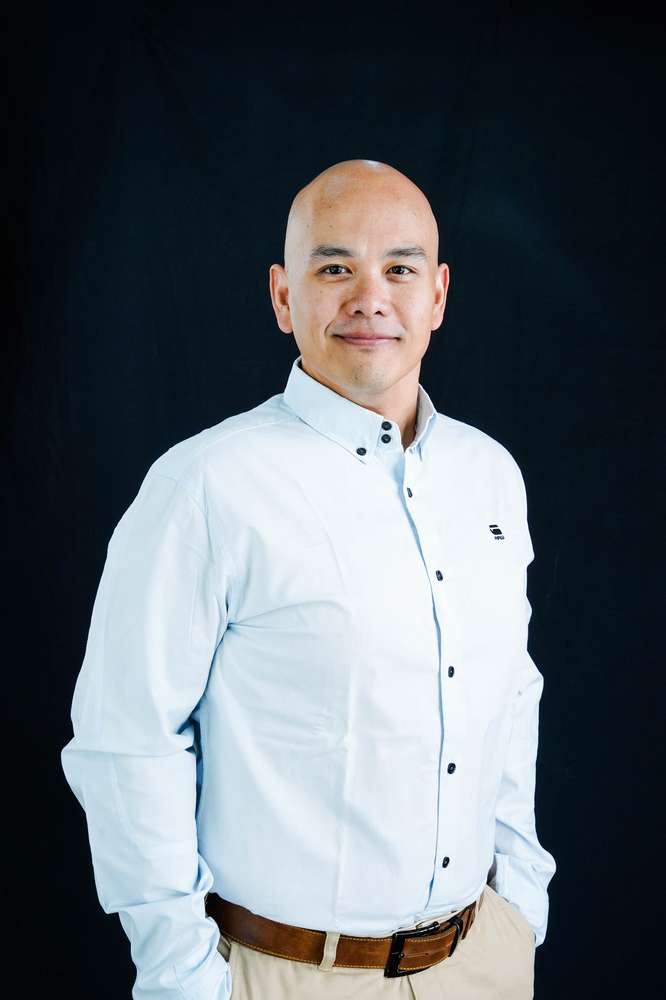
Klemens speaks on Indonesian entrepreneurship, ecosystem building, and leadership development. Available for keynotes, workshops, and company training.
Discuss a Speaking Engagement ↗ More Articles